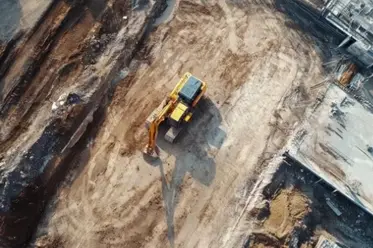
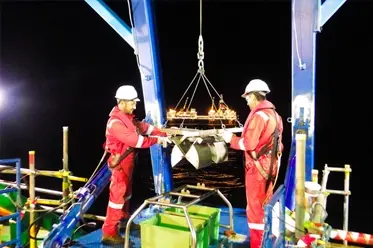
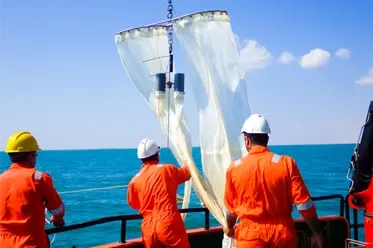
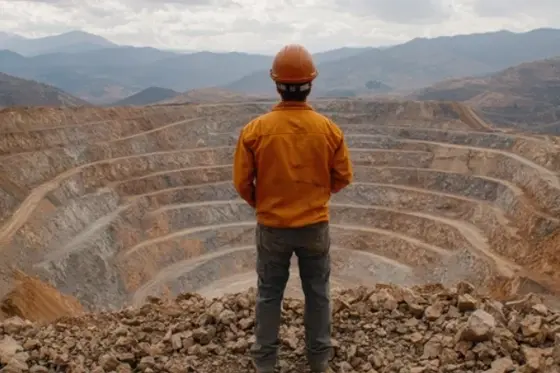
Azecolab offers Environmental Impact Assessment (EIA) services to support sustainable development and regulatory compliance. Our assessments help businesses, industries, and government agencies evaluate the potential environmental effects of projects before implementation, ensuring responsible decision-making and environmental protection.
EIA is a mandatory process under Azerbaijani legislation, ensuring that economic activities and strategic planning documents comply with environmental protection standards. According to the Law of the Republic of Azerbaijan on Environmental Impact Assessment, this process establishes legal, economic, and organizational foundations for assessing the impact of industrial and other activities on the environment and human health.
The primary objectives of EIA, as outlined in Article 3 of the law
Identifying potential negative impacts on the environment and public health.
Assessing the scale, intensity, and duration of these effects.
Implementing preventive or mitigating measures to minimize environmental harm.
EIA is based on key principles
Comprehensive evaluation of environmental, social, and economic impacts.
Participation of government, municipalities, NGOs, and individuals in the EIA process.
Preservation of ecological balance and biodiversity.
International cooperation in environmental impact assessment.
Public awareness and involvement in the decision-making process.
Scientific forecasting of ecological risks.
Transparency and reliability of environmental data.
State and public oversight of EIA activities.
Ensuring environmental impact stays within permissible limits.
Activities Requiring EIA Services
According to Azerbaijani environmental legislation, EIA is mandatory for the following activities:
Power plants with a capacity of 300 MW or more and high-voltage power lines exceeding 220 kV and 15 km in length.
Major road and railway infrastructure projects, including train maintenance and washing stations.
Design of pipelines exceeding 20 km in length and 500 mm in diameter for oil, gas, or chemicals.
Construction of major storage facilities for oil, petrochemicals, and chemicals.
Hydrocarbon exploration, extraction, processing, and transportation projects.
Nuclear power plants and facilities containing nuclear reactors.
Tourism and recreational facilities with a capacity of over 300 persons.
Renewable energy power plants exceeding 10 MW capacity.
Metallurgical plants and chemical production facilities.
Factories producing construction materials, including cement.
Waste treatment and disposal facilities.
Large agricultural and aquaculture projects.
Water treatment plants and major irrigation systems.
Large-scale forestry and land development projects.
Industrial and technological parks.
Intensive livestock and poultry farms.
Oil and gas refinery construction.
Airports and seaports.
Major bridge, tunnel, and metro station projects.
EIA Documentation
According to Article 5 of the Azerbaijani Law on Environmental Impact Assessment, the EIA document must be prepared by at least three independent experts. The document must be written in a clear and comprehensible style and include:
A description of the proposed activity, its objectives, stages, types of environmental impact, and risk assessment methods.
At least two alternative options, including the option of rejecting the project, with a justification of the most environmentally efficient alternatives.
For projects involving the use of subsoil resources, additional geological and hydrogeological justification is required. Falsification of information in the EIA document is strictly prohibited by law.
Predictions on environmental changes resulting from the project and their potential impacts.
The legal framework, referencing the normative legal acts considered during the preparation.
An evaluation of the existing environmental conditions and the ecological sensitivity of the area.
Environmental protection measures, covering all project phases, to mitigate, prevent, or minimize negative impacts.
An environmental management plan for the entire lifecycle of the project.
The socio-economic development prospects of the project area.
Transboundary environmental impact assessment, if applicable.
Factories producing construction materials, including cement.
Risk assessment for emergencies and accidents.
A rehabilitation plan for the area once the project is completed.
A monitoring plan to assess the environmental impact during the project execution.
Details on public consultations and discussions held during the assessment process.
Legal Framework in Azerbaijan
The Law on Environmental Impact Assessment of Azerbaijan, aligned with Article 39 and Article 94 (I-20) of the Constitution, regulates EIA processes. It mandates that businesses and organizations assess the environmental impact of their projects before proceeding with implementation. This includes:
1
Strategic planning documents and land-use plans
2
Economic and industrial activities with potential environmental risks
3
Infrastructure and development projects requiring regulatory approval
EIA is conducted in accordance with Azerbaijan’s Environmental Protection and Ecological Safety Laws, considering:
Failure to comply with EIA requirements can lead to legal consequences, project suspension, or financial penalties.
Efficient use and restoration of natural resources
Reuse, processing, and disposal of industrial waste
Protection of biodiversity, wildlife, and specially protected natural areas
Rational utilization of water, soil, air, forests, minerals, and other natural resources
Preventing negative anthropogenic effects on public health and the environment
Assessment of environmental impacts on air, water bodies, soil, and ecosystems
Implementation of environmentally efficient technologies that reduce energy consumption and waste production
Ensuring proper treatment of wastewater and preventing its uncontrolled release into natural and artificial water bodies
Consideration of socio-economic factors such as employment, education, healthcare, and infrastructure
Assessment of current environmental conditions to establish reference data.
Impact Identification & Prediction
Evaluating potential environmental effects of proposed projects.
Environmental Risk Assessment
Identifying hazards and developing mitigation strategies.
Regulatory Compliance Analysis
Ensuring adherence to Azerbaijani environmental laws.
Stakeholder Consultation & Public Engagement
Facilitating communication with affected communities and interest groups.
Mitigation & Monitoring Plans
Developing strategies to minimize environmental impacts and ensure continuous monitoring.
EIA Report Preparation
Providing detailed documentation for regulatory submissions and approvals.
Industries We Serve
Our EIA services cater to various industries, including:
Energy & Power Generation
Oil & Gas
Infrastructure & Construction
Mining & Extractive Industries
Manufacturing & Industrial Facilities
Agriculture & Land Development
Marine & Coastal Projects
Why Choose Azecolab for EIA?
Azecolab is committed to promoting sustainable development through legally compliant and scientifically backed Environmental Impact Assessments. Contact us today to ensure your project aligns with Azerbaijani environmental regulations and sustainability goals.
Accredited Expertise
Azecolab is a fully accredited laboratory with a team of environmental specialists.
Regulatory Knowledge
Deep understanding of Azerbaijani legislation and compliance requirements.
Timely and detailed reports to facilitate project approvals.
Sustainable Solutions
Practical recommendations for reducing environmental footprints
Step Inside Our Lab
Discover the cutting-edge technology, precision equipment, and expertise that power our testing and calibration services. Watch now to see excellence in action!
Accredited for Excellence in Testing & Calibration
Our laboratory is ISO/IEC 17025 accredited for both Testing and Calibration, ensuring the highest level of quality, reliability, and compliance in our services.
Azecolab offers a wide range of testing services, including water, air, and soil analysis, oil and fuel testing, food and beverage testing, microbiology, chemical analysis, and calibration services.
How can I submit a sample for testing?
You can submit your samples by visiting our laboratory, scheduling a pickup service, or mailing your samples following our sample collection guidelines. Please contact us for specific instructions based on the type of test required.
How long does it take to receive test results?
Turnaround times depend on the type of analysis being conducted. Standard tests typically take 5–7 business days, while more complex tests may require additional time. Expedited services are available upon request.
Are Azecolab’s tests accredited and compliant with regulations?
Yes, Azecolab adheres to international quality standards and is accredited under recognized bodies to ensure accuracy and reliability. We comply with ISO, EPA, ASTM, and other industry regulations.