Azecolab Swab Sampling Services
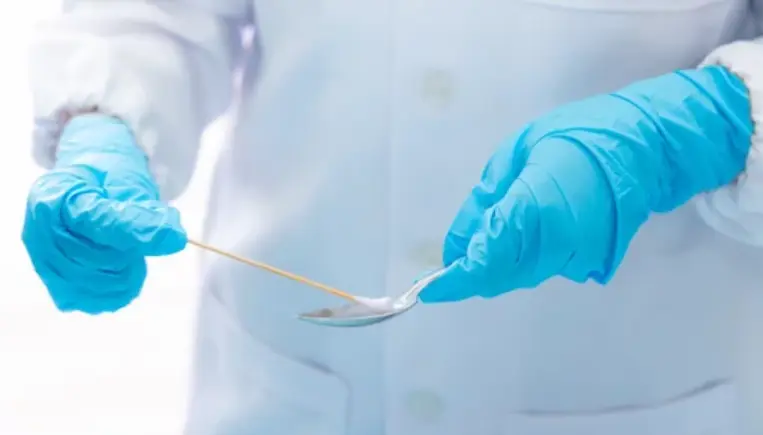
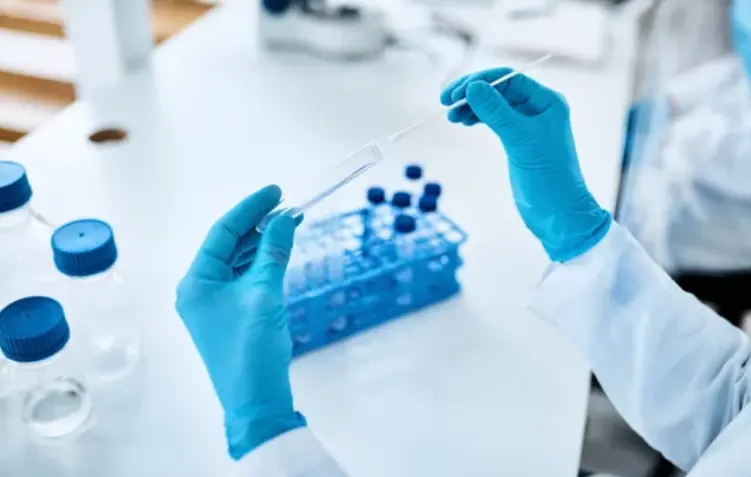
Azecolab performs swab sampling to carry out microbiological tests, helping customers make informed decisions in various scenarios.
Air Quality Swab Sampling
Swab sampling for air quality issues
Performed on conditioners and ventilation systems
Bacteriological Parameters Tested:
- Legionella
- Yeast and Mould
Legionella Testing
Swab sampling for Legionella detection
Performed on shower heads and taps
Legionella Test
Kitchen Hygiene Sampling
Swab sampling to determine hygienic and sanitary conditions in kitchens
Part of food quality program
Sampling Locations:
- Kitchen tables
- Kitchen accessories
- Kitchen staff hands
- Kitchen staff uniform
Microbiological Tests Performed:
- Total Coliforms
- Escherichia coli
- Staphylococcus aureus
- Total Bacteria Count
Swimming Pool Equipment Testing
Swab sampling from special reusable breathing apparatus
Usually requested with swimming pool water quality tests
Bacteriological Parameters Tested:
- Escherichia coli
- Staphylococcus aureus
How Swab Sampling Works?
01
Surface Selection
High-contact surfaces such as countertops, cutting boards, utensils, storage areas, and food processing equipment are swabbed.
02
Sample Collection
Sterile swabs are used to collect microbial samples from selected surfaces.
03
Laboratory Analysis
Samples are tested in a controlled environment to detect and quantify harmful bacteria.
04
Results & Recommendations
A detailed report is provided, including findings and recommendations for corrective actions if necessary.
What Swab Sampling Helps Identify?
Presence of Pathogens
Detects harmful bacteria like E. coli and S. aureus that indicate contamination risks.
Effectiveness of Cleaning Protocols
Confirms whether cleaning and sanitization methods are effective.
Potential Cross-Contamination Risks
Identifies areas where bacteria can spread from raw to cooked food.
Regulatory Compliance
Ensures kitchens meet food safety standards and prevent health code violations.
Why Swab Sampling is Essential for Kitchen Hygiene?
Swab sampling is a critical method for evaluating hygiene in kitchens and food preparation areas. It involves collecting surface samples to test for bacteria such as Escherichia coli (E. coli) and Staphylococcus aureus (S. aureus)—two common pathogens that indicate poor sanitation and can lead to foodborne illnesses. Regular testing ensures compliance with food safety regulations and minimizes the risk of contamination in commercial kitchens, restaurants, food processing facilities, and catering businesses.
Who Orders These Services?
Restaurants and Cafeterias
To comply with health regulations and ensure a clean food preparation environment.
Food Processing Companies
To prevent contamination in production lines.
Catering Businesses
To maintain high hygiene standards before serving large numbers of people.
Hotels and Hospitality
To protect guests by maintaining clean dining and kitchen areas.
Regulatory Agencies
As part of routine inspections and compliance checks.